The iDPCC is thrilled to spotlight the second winner of a poster presentation award at the 5th Annual CEIRR Network Meeting (ANM)! Megan Martinez is a Ph.D. student in the Lowen lab at Emory University. Martinez was awarded First Place in the Virology and Viral Evolution category for their poster titled “Drivers of influenza A virus density dependence.”
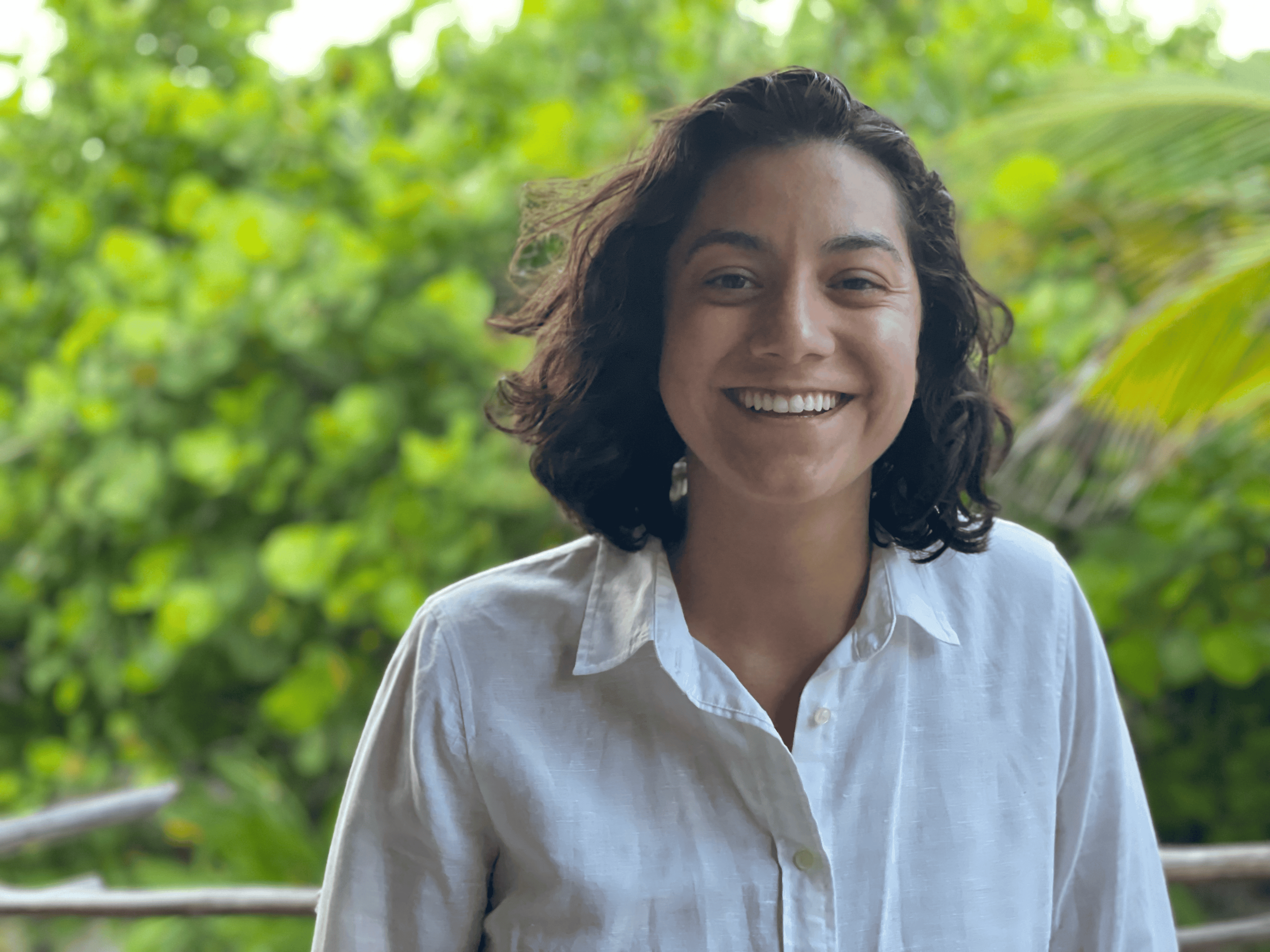
Martinez’s research investigates how multiple infection shapes virus–virus interactions throughout the influenza A virus (IAV) life cycle. During infection, multiple viral particles often infect the same cell, and these virus–virus interactions can strongly influence replication efficiency, though the processes driving these interactions are poorly understood. To unravel these complicated dynamics, Martinez used two phenotypically identical but genetically distinct IAVs in a co-infection model across multiple cell types. Martinez’s work demonstrated that the density dependence of IAVs varies by host cell type and the viral function affected, with virus–virus interactions ranging from competitive to beneficial. In Martinez’s words, “Our findings to date suggest that host and viral factors shape the density dependence of IAVs, playing a critical role in viral propagation and expansion.”
The iDPCC asked Martinez some additional questions to learn more about them and their interests:
1. How has the CEIRR Program benefited your scientific training?
A: The CEIRR Program has provided me with opportunities to connect with researchers outside my own institution and see how different groups approach similar scientific questions. It has been especially valuable to receive feedback on my own research while learning about work across the network, which has exposed me to new ideas and approaches I might not have encountered otherwise. The CEIRR meetings have also helped me build meaningful relationships with other trainees at similar stages, creating a peer network that I expect to continue beyond graduate school. Altogether, these interactions have helped me think more broadly about my project and its place within the larger field of influenza research.
2. What motivates you to study your current research project(s)?
A: My current research focuses on how interactions between co-infecting influenza A viruses influence viral replication and infection outcomes, an area where many fundamental questions remain unanswered. I feel privileged to be in a position where I can pursue these unknowns and contribute new knowledge to the field. That opportunity to uncover new biology and contribute to a broader scientific understanding is what continues to motivate me.
3. What impact do you hope your current research project will have?
A: I hope this research helps answer fundamental questions about how viruses interact within infected cells and why those interactions matter for infection outcomes. While the immediate impact is a better understanding of influenza A virus biology, I also hope these findings generate new questions and ideas that other researchers can build on.
4. Who/what inspired you to go into science in general?
A: I was drawn to research as an undergraduate, and I’m incredibly grateful for my mentor I had at that time. He created an environment where I could explore my curiosity and develop as a scientist, which helped me build the skills that have brought me to where I am today. What continues to inspire me is the curiosity that drives scientific research. I hope to foster that same sense of curiosity in others throughout my career.
5. What is one thing on your bucket list?
A: One thing on my bucket list is to visit all the Seven Wonders of the World.
6. How have your career interests and plans changed over time?
A: My career interests have continued to evolve since starting graduate school. Originally, I never saw myself staying in academia, but I’ve come to really value its creativity and rigor, as well as the opportunity to communicate scientific findings and contribute to how they are understood and applied.