The next 5th Annual CEIRR Network Meeting (ANM) Poster Winner the iDPCC is excited to spotlight is Dr. Pamela Brigleb! Pamela Brigleb is a postdoctoral fellow in the Schultz-Cherry Lab at SJCEIRR. Dr. Brigleb was awarded First Place in the Immunity, Transmission, and Breadth of Protection category for her poster titled “Obesity Across Generations: Impact of Parental Obesity on Offspring’s Response to Influenza Infection.”
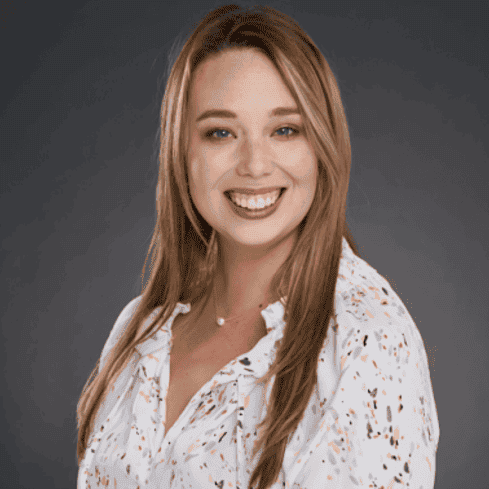
Obesity is known to increase disease risks of influenza infection. It has also been established that parental metabolic health can influence offspring immunity though the dynamics of this influence on influenza infection are poorly understood. Dr. Brigleb aims to unravel these complicated interactions by developing an obese parent-offspring mouse model. Sires and dams were placed on a twelve-week high-fat diet to induce metabolic dysfunction. Dr. Brigleb found that offspring born to these parents reach significantly higher weights than offspring born to lean parents, indicating they undergo early-life metabolic reprogramming. Future studies using this model will delve into how parental obesity influences metabolic health and immune responses to influenza in their offspring. According to Dr. Brigleb, “Collectively, these studies will define how parental obesity shapes childhood vulnerability to respiratory infection and inform strategies to strengthen early-life antiviral immunity.”
The iDPCC asked Brigleb to share more about her journey as a scientist:
1. How has the CEIRR Program benefited your scientific training?
A: The CEIRR Program has had a tremendous impact on my scientific postdoctoral training. My research has been supported through CEIRR, allowing me to pursue questions at the intersection of influenza, immunology, metabolism, and host responses. CEIRR has provided the opportunity to become part of a collaborative network of investigators who have provided valuable feedback, mentorship, and opportunities for collaboration. These experiences have helped shape my development as a scientist and will continue to influence my approach as I establish my own independent research program focused on immunity to influenza infection.
2. What motivates you to study your current research project(s)?
A: I am motivated by understanding how metabolism shapes immune responses to viral infection and why some populations are more susceptible to severe disease than others. My current research examines how parental obesity influences offspring metabolic health and their immune responses to influenza, an area that remains relatively understudied despite the growing prevalence of obesity across generations. What I enjoy most is investigating the mechanisms that connect metabolic changes to immune function and uncovering how those changes influence disease outcomes. I find it especially rewarding to study questions that have the potential to explain differences in susceptibility among vulnerable populations.
3. What impact do you hope your current research project will have?
A: I hope this research expands our understanding of how parental metabolic health influences offspring immunity and susceptibility to respiratory viral infections. While obesity is a well- recognized risk factor for severe influenza, far less is known about how its effects may extend across generations. By identifying the mechanisms that link parental obesity to altered immune responses in offspring, I hope this work opens new avenues for studying intergenerational influences on infectious disease and ultimately informs strategies to better protect future generations from severe viral infections.
4. Who/what inspired you to go into science in general?
A: I was fortunate to have the opportunity to participate in science research and engineering throughout high school, and those experiences inspired me to pursue a career in science. My science research teachers, Ms. Holmes and Mr. Piccirillo, along with my engineering teacher, Mr. Albrecht, had a tremendous impact on my career by fostering my curiosity and encouraging me to think like a scientist. Although my research at the time was very different from what I study today, focusing on American eels in the Hudson River, and I also participated in robotics, those experiences taught me how to ask meaningful scientific questions, communicate my findings, collaborate with others, and lead a team. Looking back, I would not be where I am today without their mentorship and the opportunities they gave me to discover a passion for scientific research.
5. How have your career interests and plans changed over time?
A: My career interests have evolved as I gained new research experiences and discovered what I enjoyed most. As an undergraduate, I studied biomedical engineering, where my research focused on nanoparticle drug delivery systems for pancreatic cancer. During the summers, I worked in microbiology at a large biotech company, and those experiences, combined with an inspiring immunology course, sparked my interest in host-pathogen interactions and infectious diseases. That ultimately led me to pursue a PhD in microbiology and immunology, where I developed a passion for studying host immune responses to viral infections, a foundation that continues to shape my research today. When I began my postdoctoral training, I was still exploring my long-term career goals and whether leading an academic research program was the right fit for me. Through the mentorship and support of Dr. Stacey Schultz-Cherry, I realized that what I enjoyed most was asking new scientific questions, mentoring trainees, and building collaborative teams to tackle complex problems. Those experiences solidified my goal of leading my own research program.
6. What are your plans following your training?
A: Following my postdoctoral training, I will join McGill University and the Lady Davis Institute for Medical Research as an Assistant Professor in Microbiology and Immunology, where I will establish an independent research program focused on influenza immunity and immunometabolism. I look forward to continuing collaborations within the CEIRR network as an independent investigator and contributing to its mission of advancing influenza research and pandemic preparedness.
7. What’s one thing you wish you knew when you started your research?
A: I wish I had known that it is okay not to have everything figured out at the beginning. I tend to be very goal-oriented and like having clear milestones to work toward, so learning that research rarely follows a straight path was an important lesson. My research interests, career goals, and even the questions I wanted to study evolved over time as I gained new experiences and learned from incredible mentors and collaborators. Looking back, I realize that staying curious, being flexible, and embracing unexpected opportunities has been just as important as having a well-defined plan.
8. What is your favorite assay or technique?
A: Flow cytometry is my favorite technique because it allows us to examine many aspects of immune cell biology simultaneously, making it an incredibly powerful tool for answering complex questions. I enjoy designing experiments that make the most of its capabilities, but what I find most rewarding is teaching others. Whether it's helping someone build their first panel or troubleshoot an experiment, I enjoy sharing what I've learned and seeing others become confident using the technique.
9. Do you have any hobbies or special interests that you'd like to share?
A: Outside the lab, I enjoy watching hockey. With my upcoming move to Canada, I'm looking forward to experiencing just how seriously hockey is taken and finding the perfect team to cheer for. I suspect choosing a team may be the most controversial decision I'll make after moving!